A property boundary tells us where a site ends. It does not tell us where its value begins.
The life of a residential community reaches into the surrounding neighborhood: the route to work, the place to meet a friend, the nearby green space and the services that make a week run smoothly. Understanding that context is central to understanding a multifamily opportunity.
Read the location at a human scale.
A market overview is a useful beginning. A neighborhood-level view asks more specific questions. What makes this place convenient? How does the street feel at different times? What can residents reach easily? Where does the built environment support connection, and where does it create friction?
Those details help translate a broad investment thesis into a clear proposition for a particular community. They also help distinguish durable location advantages from a story that depends on everything changing at once.
Design a relationship with the street.
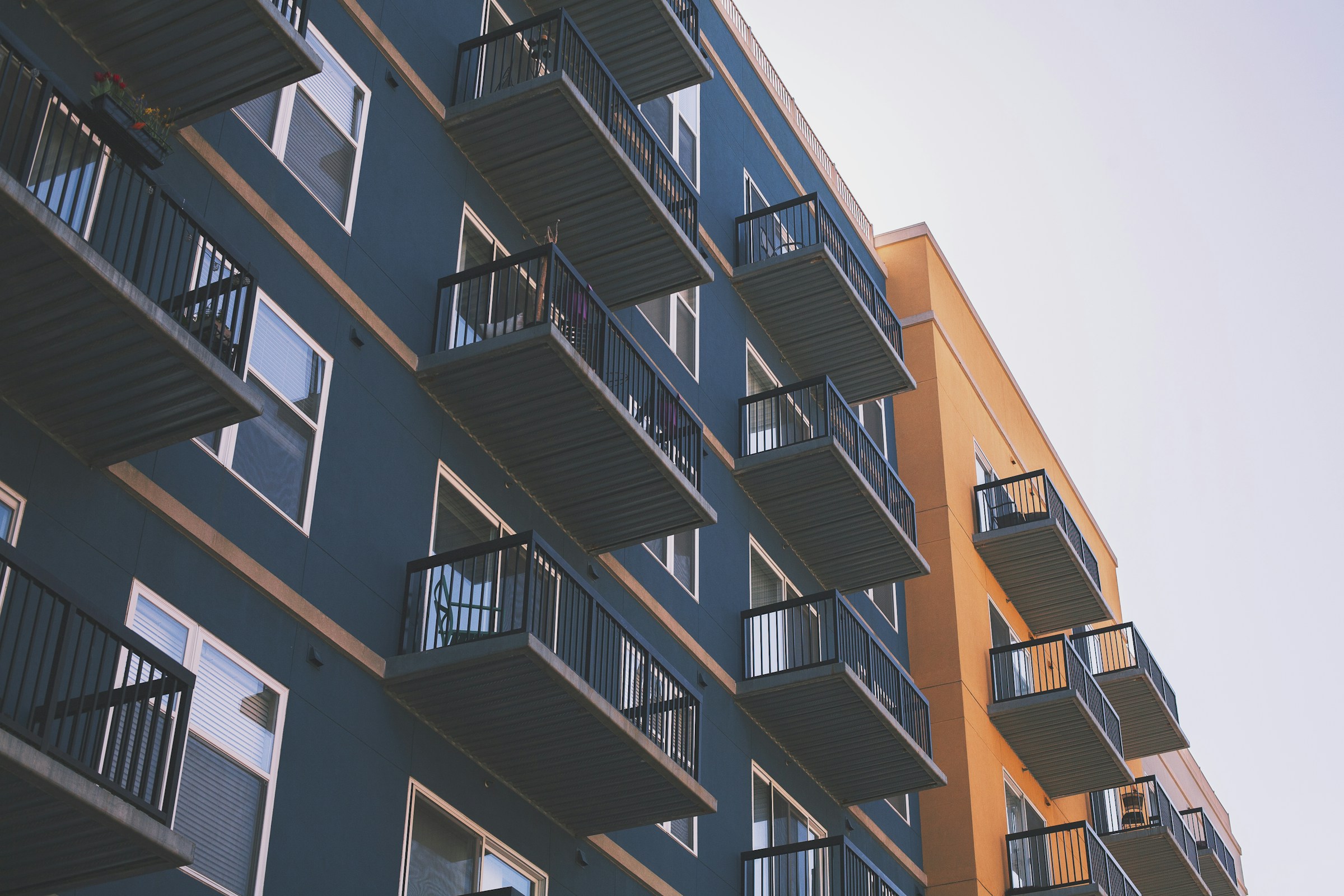
A residential building is part of the public experience of a place. Entrances, landscaping, lighting and the way a building meets the sidewalk can help it feel connected to its setting. These are decisions about belonging as much as appearance.
Good development should be attentive to what is already there. Local character can offer direction on scale, materials and the kinds of spaces that will feel natural to use.
Think beyond the opening.
Neighborhoods evolve. A long-term perspective considers how a property can remain useful as daily patterns and expectations change. Flexible spaces, a clear identity and a thoughtful connection to the surrounding area are worth considering early.
Rush's view is simple: the site and the setting should be understood together. A compelling residential proposition makes sense both within the building and in the life happening around it.